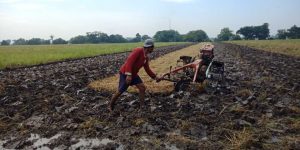
Healthy and productive agricultural land is one of the key foundations for meeting the growing demand for food.
Well-managed land can produce harvests that not only meet household needs but also contribute to the economic sustainability of local communities. Soil plays a fundamental role as a growing medium because the entire plant growth cycle depends heavily on its quality and balance.
Successful land management requires an understanding of the physical, chemical, and biological properties of soil, which are closely interconnected.
Soil fertility is influenced by many factors, including nutrient availability, soil structure, moisture, and surrounding environmental management. Maintaining good soil quality allows plants to absorb nutrients more efficiently, resulting in higher and more consistent yields.
Applying appropriate soil management strategies can also reduce the risk of crop failure caused by extreme weather, pests, diseases, and soil degradation.
Therefore, understanding how to optimize agricultural soil is an important step toward increasing productivity sustainably and supporting long-term food security.
Guide to Optimizing Agricultural Soil
1. Check Soil Conditions Regularly
Regular soil testing provides valuable information about nutrient availability, acidity, texture, and soil structure. This is important because every agricultural field has different characteristics that can affect crop productivity.
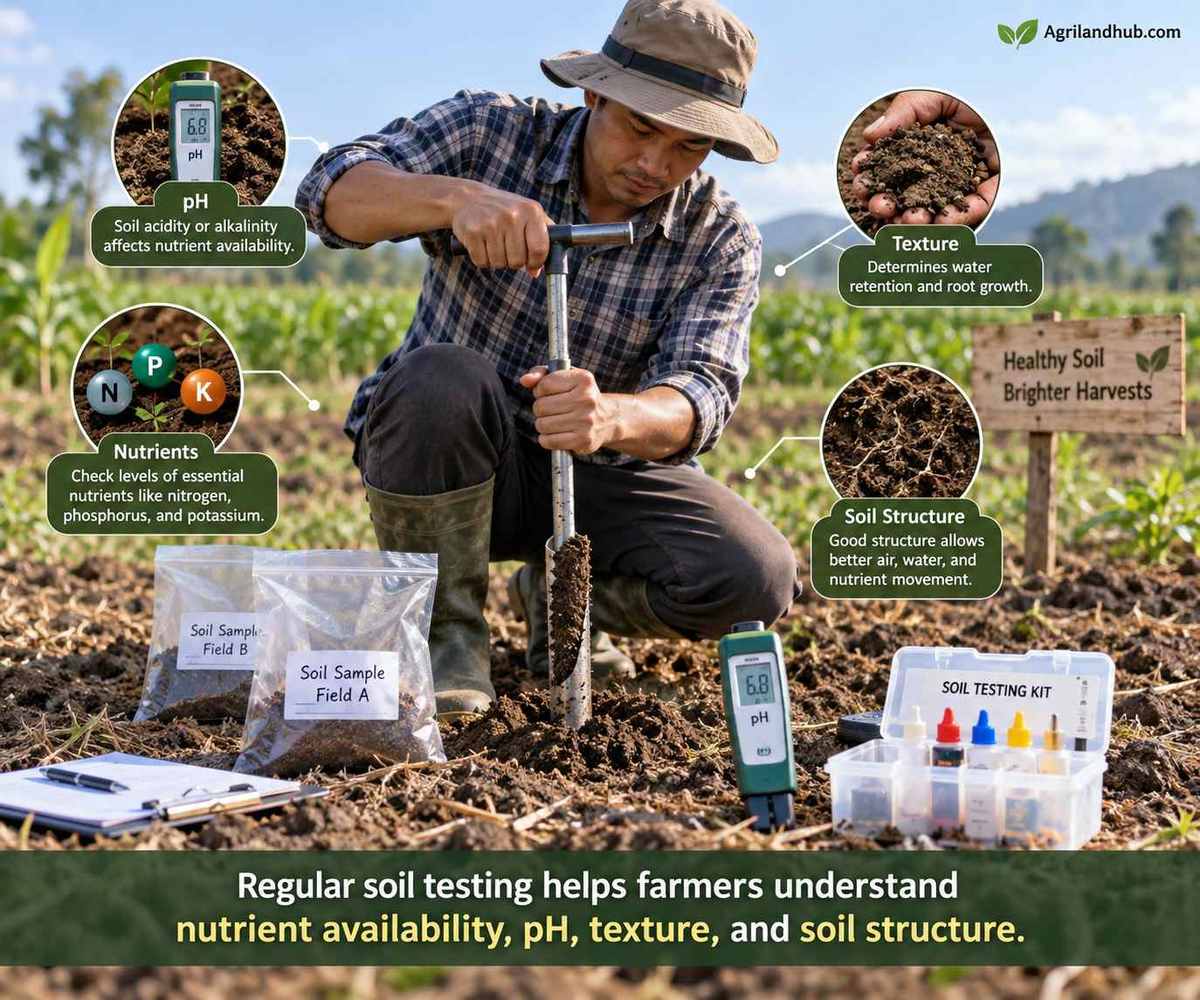
Simple assessments can be carried out using traditional methods, such as observing soil color or using a basic pH test. However, laboratory analysis provides more accurate information about the levels of available macro- and micronutrients. With this information, farmers can determine the most appropriate treatments to improve soil fertility sustainably.
Regular soil monitoring can also help prevent declining productivity caused by nutrient deficiencies or structural problems.
One common mistake in agriculture is applying fertilizer without first understanding the specific needs of the soil. This can result in unnecessary expenses and environmental pollution.
By using soil test results as a basis for decision-making, fertilizer application and soil management can become more precise. As a result, farmers can improve not only crop yields but also the quality and market value of their agricultural products.
2. Use Environmentally Friendly Organic Fertilizers
Organic fertilizers are an important strategy for maintaining soil fertility while minimizing damage to the ecosystem. Examples include compost, animal manure, and green manure. These materials contain organic matter that can increase the soil’s humus content.
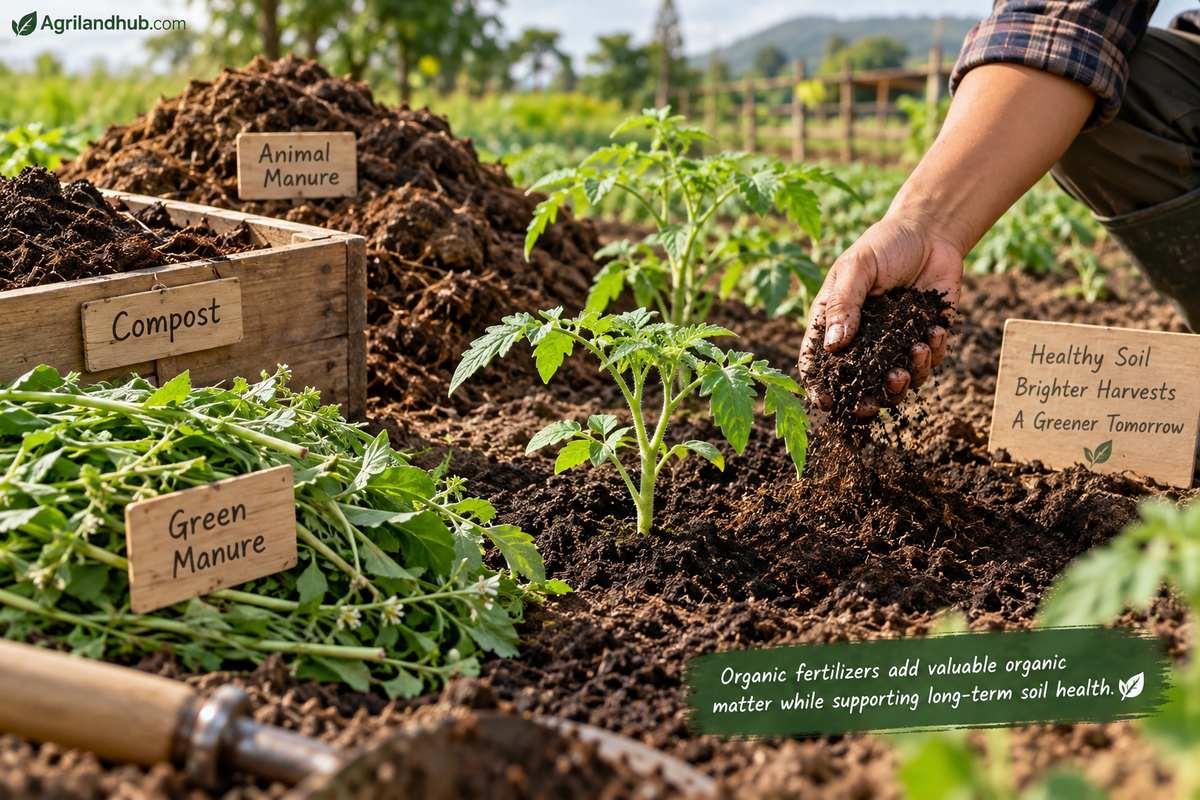
Humus helps improve soil structure, making it looser and better able to retain water and air. This creates favorable conditions for root development and allows plants to absorb nutrients more effectively. Organic fertilizers also release nutrients gradually, allowing plants to use them over a longer period.
Organic fertilizers also support beneficial soil microorganisms. Microbes play an important role in decomposition and nutrient cycling, helping create a healthier environment for plant growth.
When used properly, organic fertilizers can support long-term soil health and reduce excessive dependence on synthetic inputs. Consistent application can benefit both agricultural sustainability and the quality of agricultural products.
3. Practice Crop Rotation Each Season
Crop rotation is an effective method for maintaining nutrient balance in agricultural soil. Different crops have different nutritional requirements, so growing the same crop continuously can deplete certain nutrients.
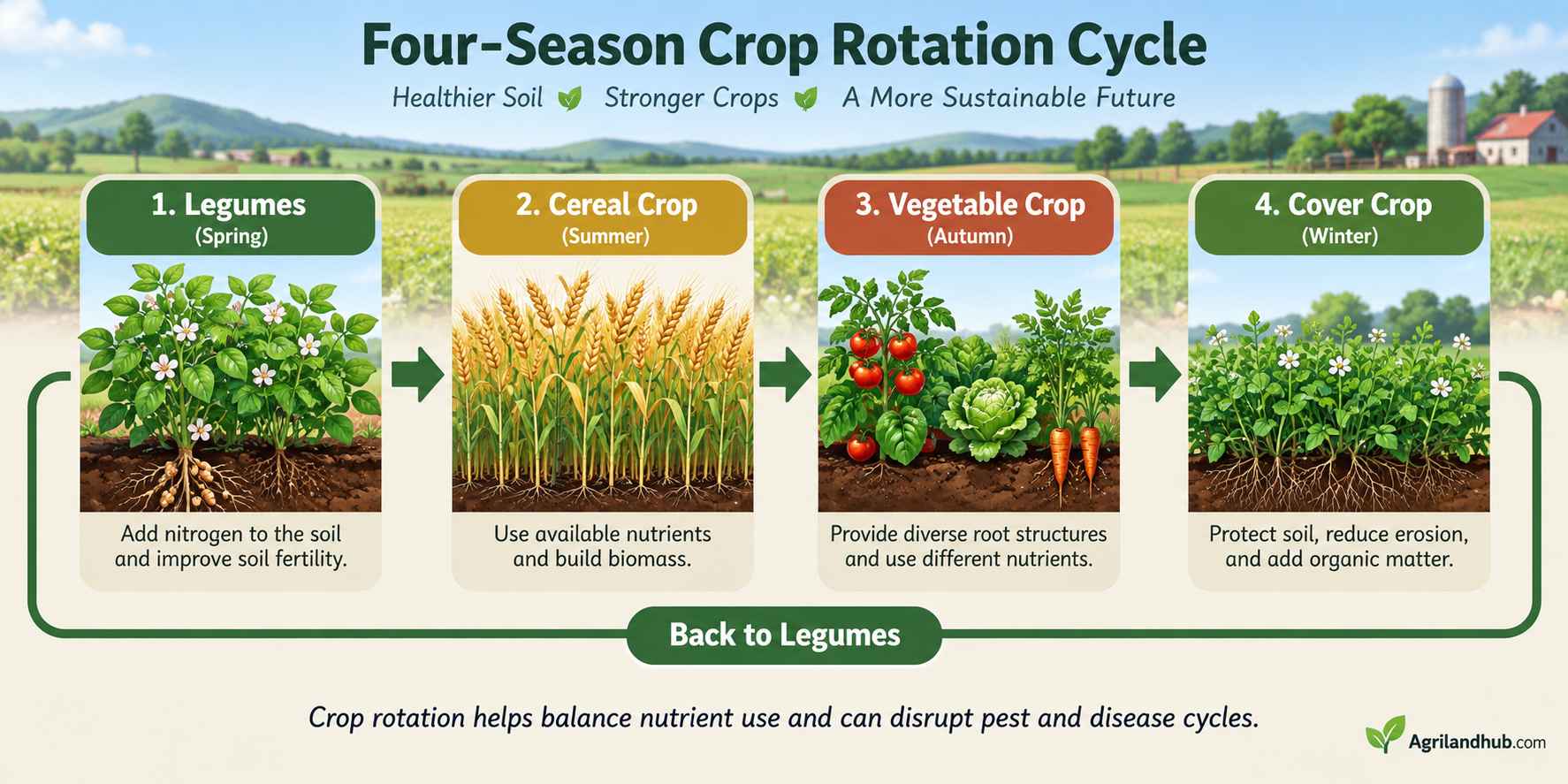
Rotating crops helps distribute nutrient demands more evenly and can help maintain soil fertility. Some leguminous crops can also contribute nitrogen to the soil through biological nitrogen fixation, benefiting crops grown in subsequent seasons.
Crop rotation can also help reduce pest and disease problems. Continuously growing the same crop in the same field can create favorable conditions for crop-specific pests and pathogens. Changing crops periodically can disrupt their life cycles and help reduce their populations.
As pest pressure decreases, farmers may be able to reduce their reliance on chemical pesticides. This can lower production costs while supporting healthier and more sustainable agricultural systems.
4. Apply Modern Soil Conservation Techniques
Soil conservation is essential for preventing erosion, degradation, and structural damage caused by intensive agricultural activities.
One common technique is terracing on sloping land, which helps slow water runoff and prevents fertile soil particles from being washed away.

Other useful techniques include drainage channels, ridges, and reduced tillage. These practices can help improve the soil’s ability to retain water and nutrients while maintaining structural stability.
Modern soil conservation can also incorporate technologies such as soil-moisture sensors and digital mapping. These technologies can help identify areas that are vulnerable to erosion or nutrient deficiencies, allowing corrective measures to be implemented more efficiently.
Effective soil conservation not only protects short-term productivity but also supports the long-term health of agricultural ecosystems.
Read Also : Secrets to Maintaining Soil Health for Optimal Plant Growth
5. Make Compost from Agricultural Waste
Compost is a valuable natural source of nutrients that can improve soil fertility. Agricultural waste such as straw, leaves, and vegetable residues can be processed into nutrient-rich compost.
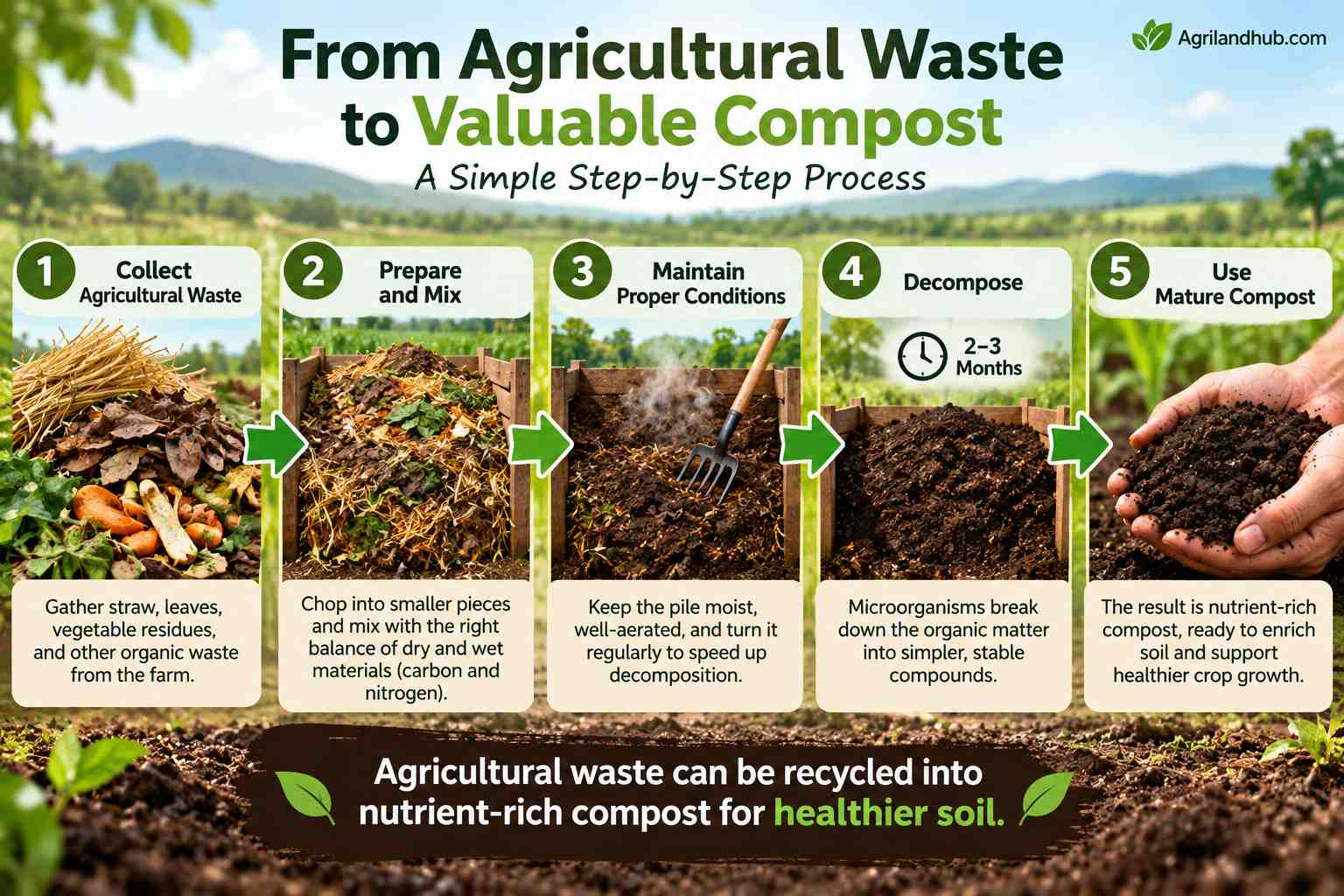
Applying compost increases the amount of organic matter in the soil, which plays an important role in improving texture and porosity. Well-structured soil can retain water while maintaining sufficient air spaces for plant roots.
Using agricultural waste to produce compost is also an environmentally friendly practice. Materials that might otherwise be burned or discarded can be recycled into useful organic fertilizer.
Composting can reduce waste, minimize air pollution caused by open burning, and support a healthier soil ecosystem. Consistent use of compost may also reduce dependence on synthetic fertilizers and help control production costs.
6. Maintain Soil Moisture with Mulch
Applying mulch is an effective strategy for maintaining soil moisture. Mulch can consist of organic materials such as straw, dried grass, and leaves, or inorganic materials such as silver-black plastic mulch.
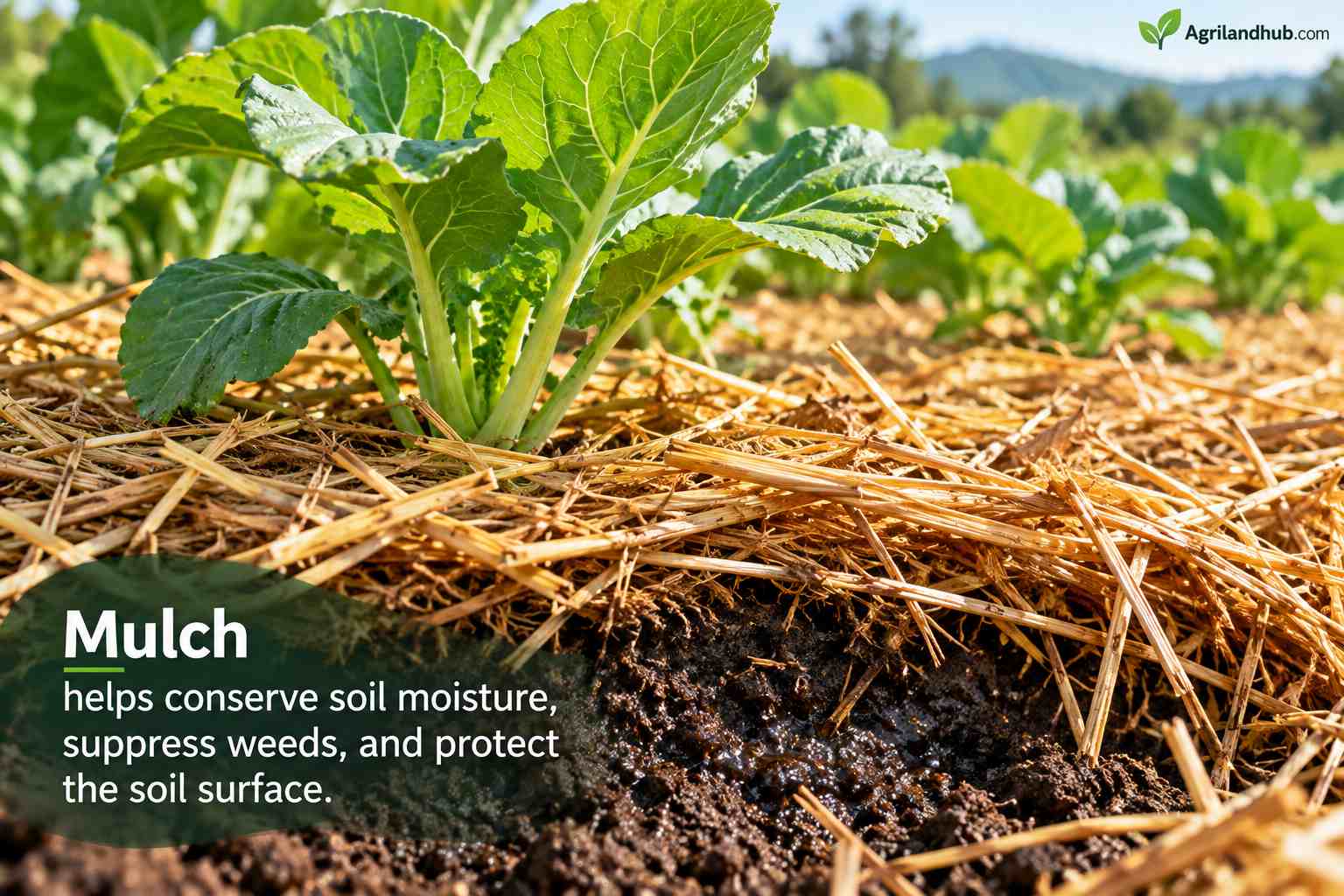
A layer of mulch covers the soil surface and reduces water evaporation caused by direct exposure to sunlight. Moist soil conditions can help prevent plants from experiencing water stress, particularly during dry periods.
Mulch can also suppress weed growth, reducing competition between weeds and cultivated plants.
Organic mulch provides an additional benefit because it gradually decomposes and adds organic matter to the soil. Plastic mulch, meanwhile, is commonly used in intensive farming systems to help regulate soil moisture and suppress weeds.
When applied appropriately, mulch can improve water-use efficiency and maintain soil conditions that support healthy plant growth.
7. Plant Green Cover Crops
Cover crops play an important role in protecting and improving agricultural soil. Crops such as legumes can protect the soil surface from erosion while increasing organic matter.

Their roots help hold soil particles together and reduce the risk of soil being carried away by rainfall. Certain leguminous cover crops can also fix atmospheric nitrogen, contributing additional nutrients to the soil.
Cover crops can also help control weeds by covering the soil surface and limiting the amount of sunlight reaching emerging weeds. Reduced weed growth allows the main crop to access nutrients, water, and growing space more effectively.
In addition, cover crops can increase biodiversity within agricultural fields and contribute to a more balanced ecosystem. Healthy soil supported by cover crops can become more productive and resilient to environmental changes.
8. Avoid Excessive Pesticide Use
Uncontrolled pesticide use can disrupt the balance of the soil ecosystem. Although chemical pesticides can effectively control pests in the short term, excessive use may affect beneficial soil organisms.
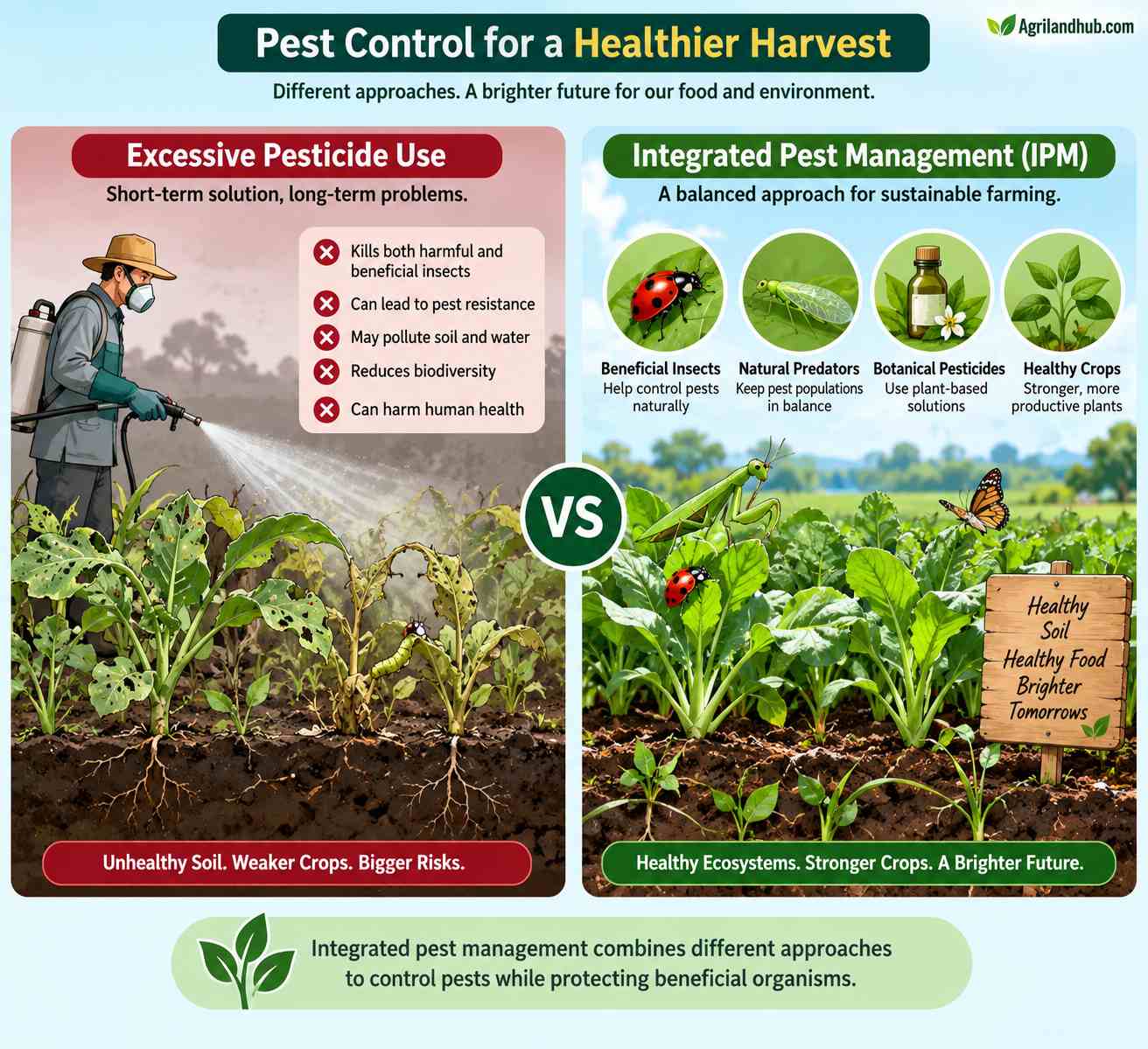
Microorganisms and earthworms play important roles in decomposition and nutrient cycling. Damage to these organisms can negatively affect soil health and agricultural productivity over the long term.
Excessive pesticide use can also contribute to pest resistance, making pest populations more difficult to manage in the future.
A more balanced approach is to combine chemical control with biological methods, such as conserving natural predators or using botanical pesticides where appropriate.
Integrated pest management can help reduce environmental impacts while maintaining effective pest control.
9. Improve Field Drainage Regularly
Good drainage is essential for maintaining soil conditions that support healthy plant growth. Prolonged waterlogging can cause root damage, reduce oxygen availability in the soil, and increase the risk of water-related diseases.
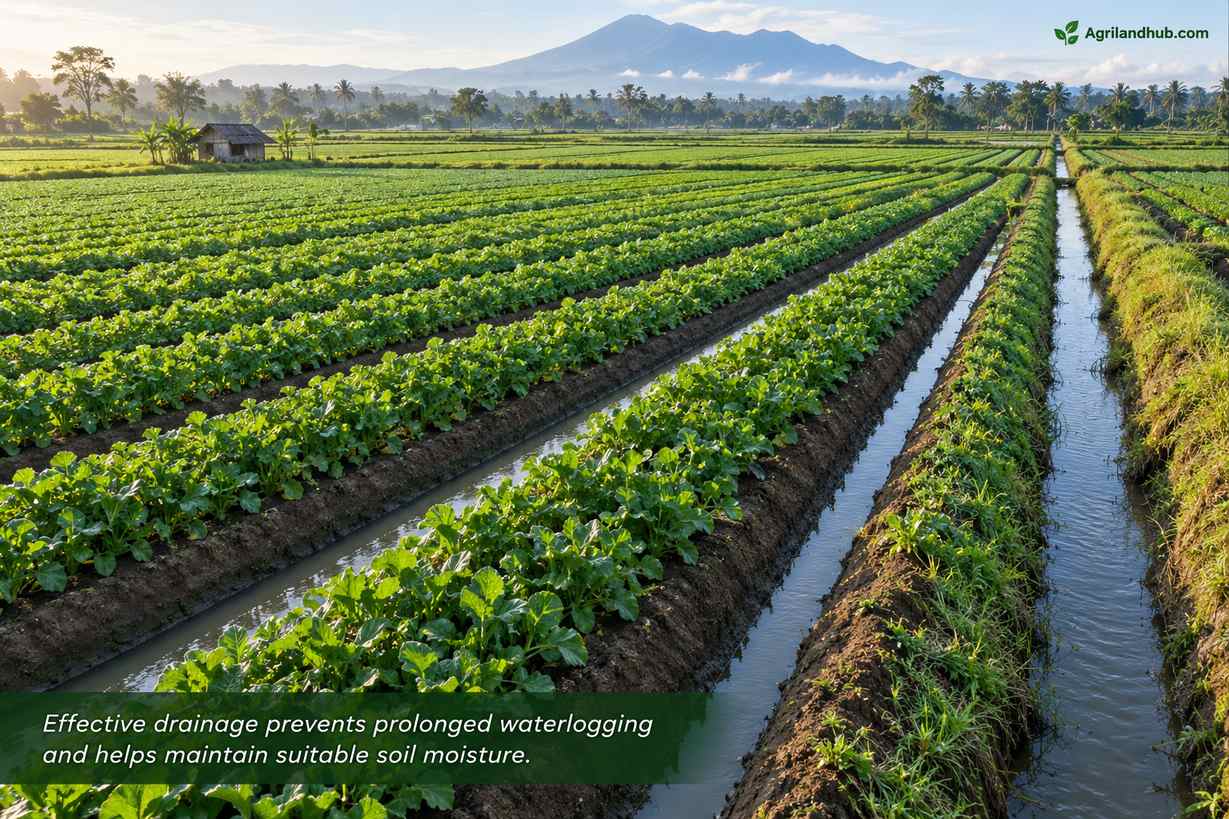
A properly designed drainage system can remove excess rainwater while maintaining adequate soil moisture. This creates a healthier growing environment and reduces the risk of crop damage caused by excessive water.
Drainage systems should be maintained regularly to ensure that water can flow freely. Channels blocked by sediment, weeds, or other materials can reduce drainage efficiency and negatively affect field conditions.
Cleaning and reinforcing drainage channels are particularly important during the rainy season. Well-maintained drainage can help agricultural land cope with heavy rainfall and changing weather conditions.
10. Apply Lime to Correct Soil Acidity
Highly acidic soils can limit nutrient availability and interfere with nutrient uptake by plant roots. Applying agricultural lime can help raise soil pH and create more favorable conditions for many crops.
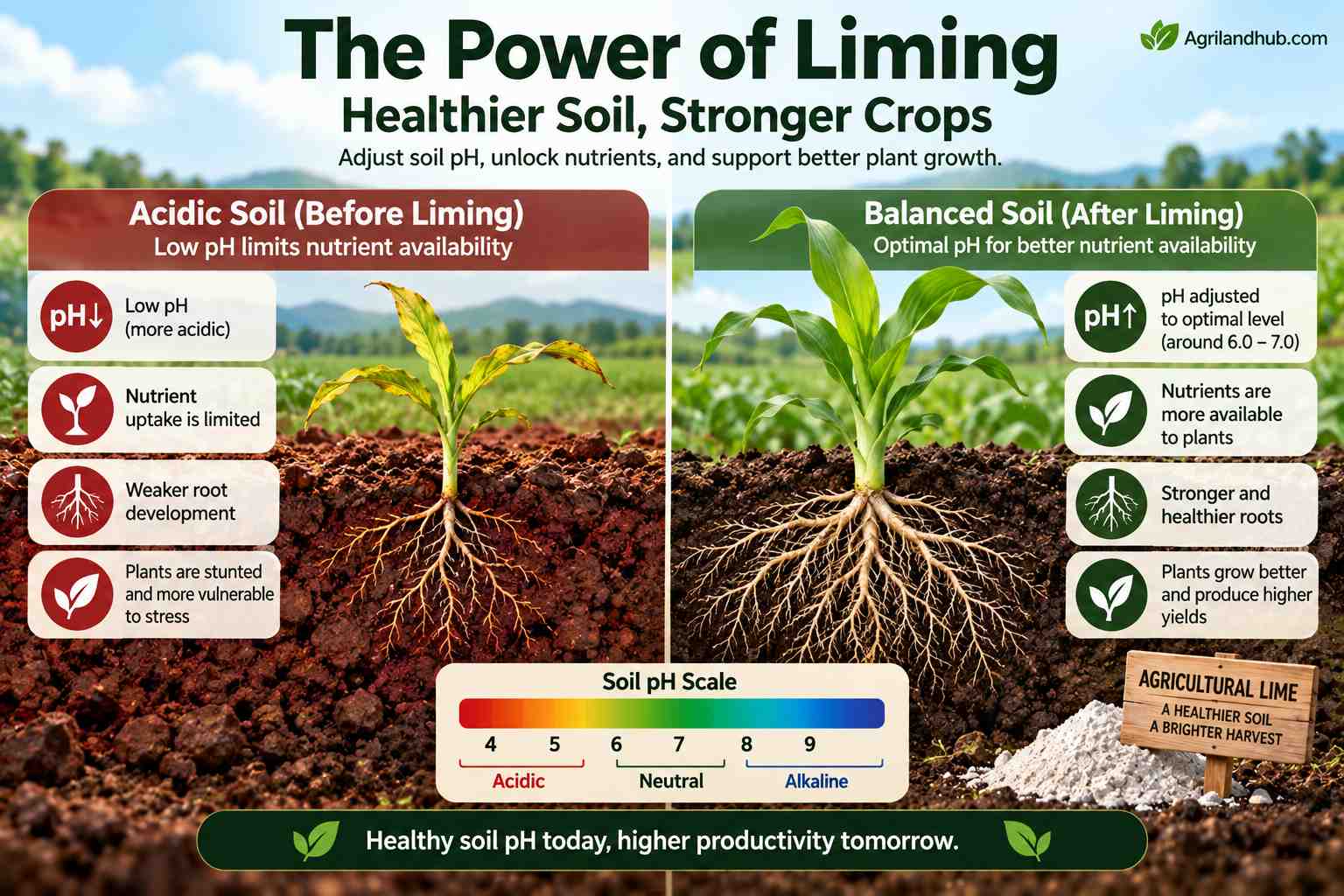
Lime can also provide calcium and, depending on the material used, magnesium, which are important nutrients for plant growth. Maintaining a suitable soil pH can support root development and nutrient availability.
However, liming should be based on soil test results so that the application rate matches the actual needs of the field. Excessive lime application can create nutrient imbalances and interfere with the availability of nutrients such as phosphorus.
Properly managed liming can help maintain soil fertility and support healthier and more productive crops.
11. Use Water-Efficient Irrigation Systems
Efficient irrigation helps provide crops with adequate water without unnecessarily wasting this valuable resource. Systems such as drip irrigation and sprinkler irrigation can deliver water more precisely to areas where plants need it.
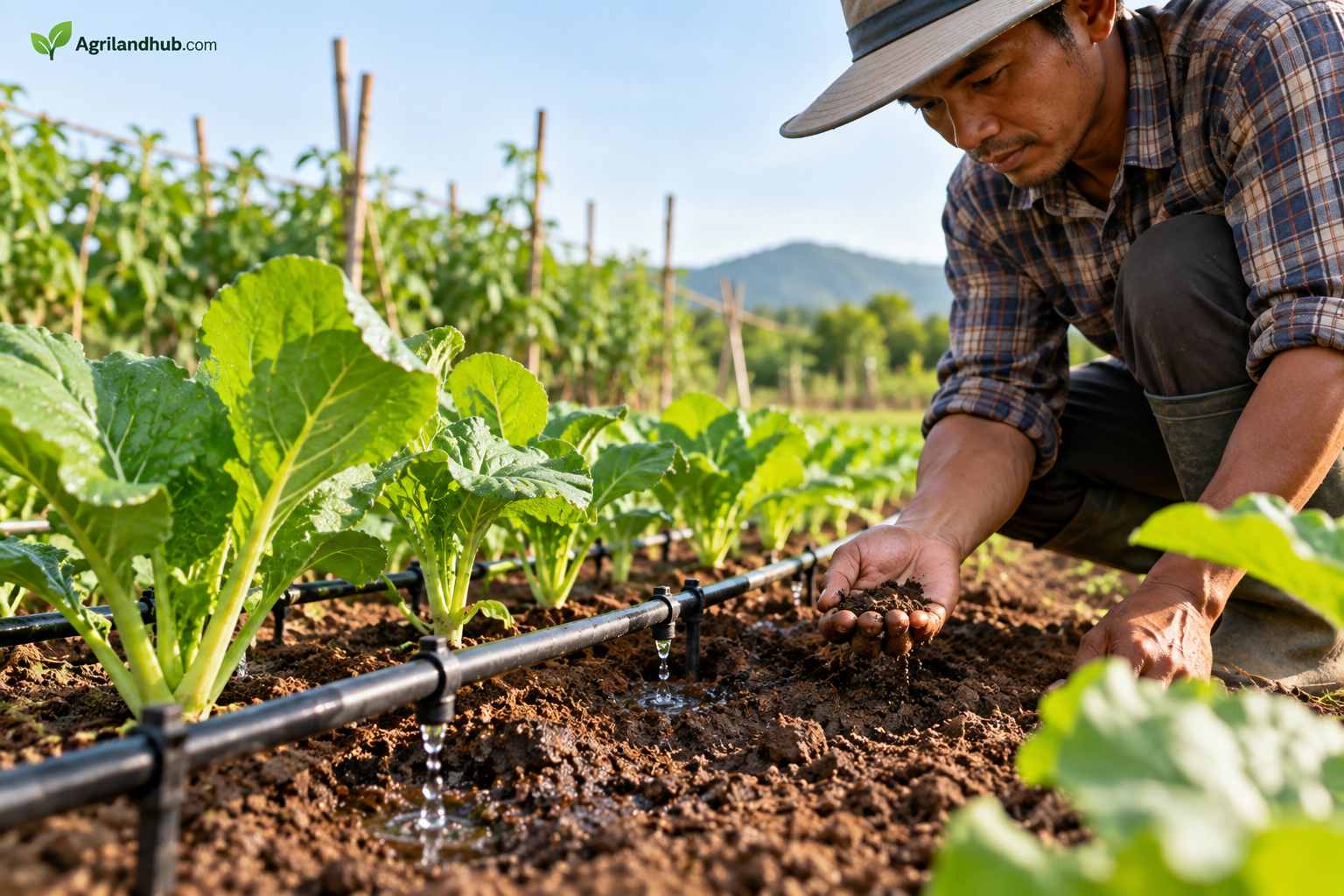
These systems can reduce evaporation and minimize excessive water accumulation that may damage soil structure or plant roots. Water-efficient irrigation is particularly useful in areas with low rainfall or prolonged dry seasons.
Modern irrigation systems can also be combined with soil-moisture sensors to improve irrigation scheduling. Farmers can provide water when it is actually needed rather than following a fixed schedule regardless of soil conditions.
Improved irrigation efficiency can reduce production costs, conserve water resources, and contribute to more stable crop yields.
12. Conduct Laboratory Soil Nutrient Analysis
Laboratory soil analysis provides detailed information about nutrient levels and other important soil characteristics. This information can help farmers determine the type and amount of fertilizer required for optimal plant growth.
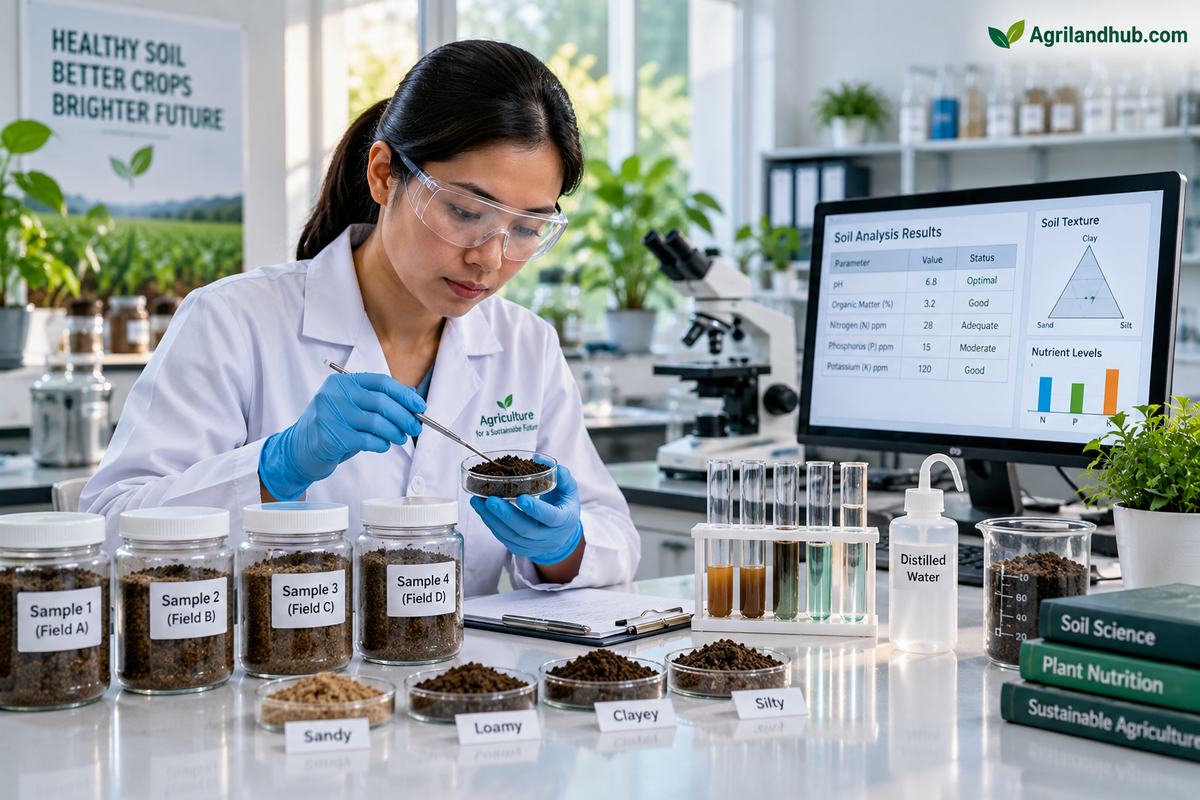
Understanding the condition of the soil allows farmers to make more accurate management decisions and avoid unnecessary fertilizer applications that could damage the environment.
Laboratory data can also serve as a long-term reference. Regular testing makes it possible to monitor changes in soil conditions over time and adjust management strategies accordingly.
Combining scientific soil analysis with appropriate agricultural practices can help maintain soil fertility and improve long-term productivity.
13. Protect Beneficial Soil Organisms
Soil organisms such as earthworms, bacteria, and fungi play important roles in maintaining soil fertility. They help decompose organic matter and release nutrients that can become available to plants.

Soils with abundant beneficial organisms are often better structured, more biologically active, and capable of retaining water effectively. These conditions can support healthy root development and crop growth.
Protecting beneficial soil organisms requires limiting unnecessary chemical inputs. Organic fertilizers and compost can provide materials that support microbial activity and soil biodiversity.
A balanced soil ecosystem can contribute to natural pest and disease suppression while reducing excessive dependence on chemical pesticides.
14. Limit Excessive Tillage
Tillage can help loosen soil and prepare land for planting. However, excessive or repeated tillage can damage soil aggregates and reduce organic matter.
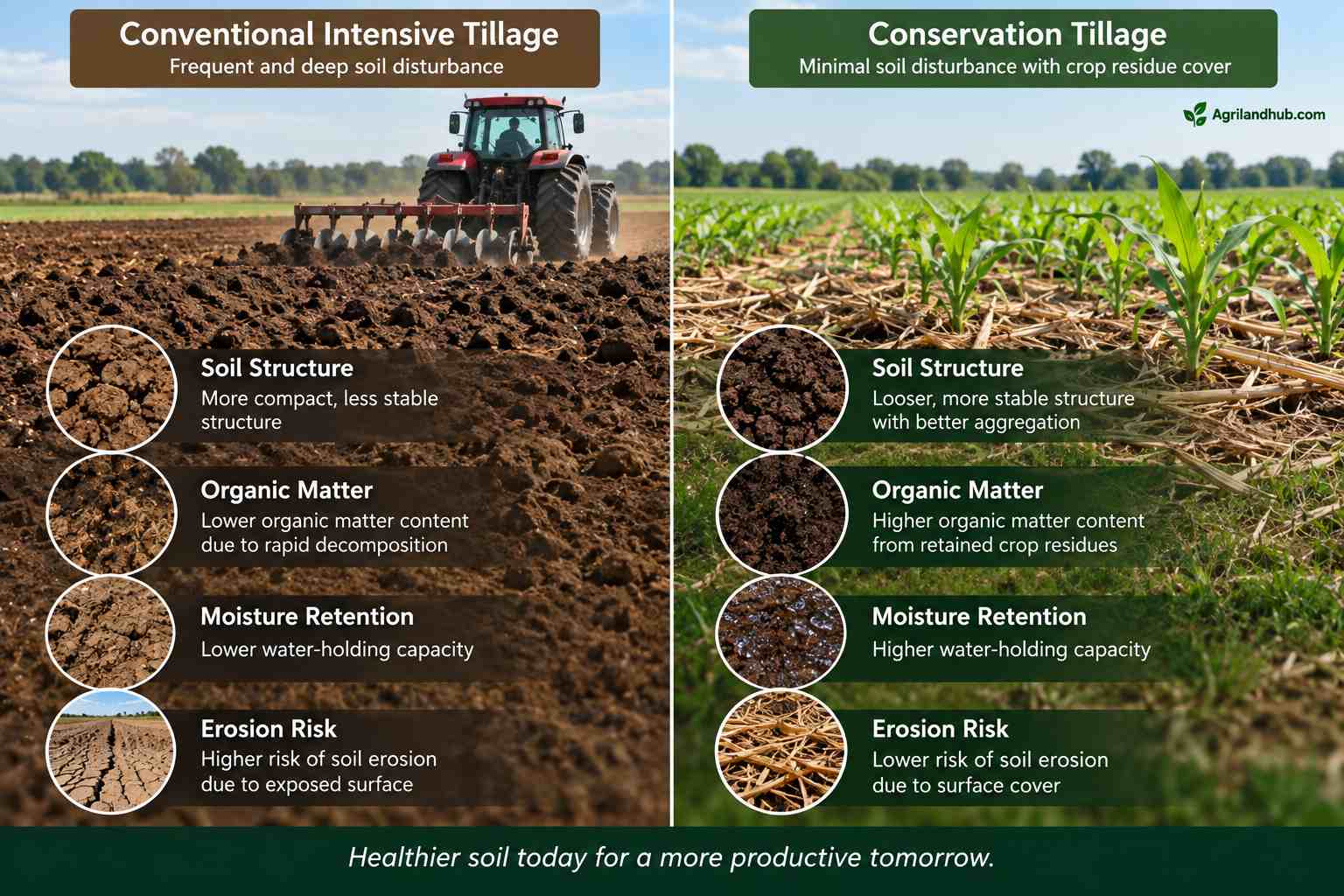
Degraded soil structure can become more vulnerable to erosion and moisture loss. As a result, agricultural productivity may decline even when substantial amounts of fertilizer are applied.
A better approach in many situations is reduced tillage or conservation tillage. These methods aim to maintain the natural structure of the soil while still providing suitable conditions for crop establishment.
Reducing unnecessary tillage can help protect soil ecosystems, lower operating costs, and support more consistent agricultural production over the long term.
15. Integrate Appropriate Modern Agricultural Technology
Modern agricultural technology provides significant opportunities to improve efficiency and productivity. Soil-moisture sensors, drones, and digital monitoring systems can help farmers manage agricultural land more precisely.
Technology can help identify problems earlier, allowing corrective action to be taken more quickly. Accurate data can also help optimize the use of fertilizers, irrigation water, and other agricultural inputs.
Appropriate technology can reduce production costs and minimize resource waste. Technologies associated with smart farming can support higher productivity while promoting more environmentally responsible practices.
Combining modern technology with proven agricultural knowledge can create farming systems that are more efficient and adaptable to changing environmental conditions.
Conclusion
Well-managed soil can continue to support healthy and productive crops over the long term. Sustainable agricultural production depends heavily on maintaining a balanced and healthy soil ecosystem.
Regular soil assessment, organic matter management, crop rotation, conservation practices, efficient irrigation, responsible pest management, and appropriate agricultural technology can all contribute to better soil conditions.
Consistent soil optimization can help improve crop productivity while supporting long-term food security. By managing agricultural land carefully and sustainably, farmers can maintain soil quality and create a stronger foundation for future agricultural production.
Read Also : Here Are 15 Strategies to Manage Agricultural Land for Greater Productivity
Sources and References
- Brady, N. C., & Weil, R. R. (2016). The Nature and Properties of Soils. Pearson.
- FAO. (2017). Voluntary Guidelines for Sustainable Soil Management. Food and Agriculture Organization of the United Nations.
- FAO. (2021). The State of the World’s Land and Water Resources for Food and Agriculture. Food and Agriculture Organization of the United Nations.
- Havlin, J. L., Tisdale, S. L., Nelson, W. L., & Beaton, J. D. (2014). Soil Fertility and Fertilizers: An Introduction to Nutrient Management. Pearson.
- Weil, R. R., & Brady, N. C. (2017). The Nature and Properties of Soils. Pearson.
- Magdoff, F., & van Es, H. (2021). Building Soils for Better Crops. Sustainable Agriculture Research and Education.
- Lal, R. (2015). Restoring Soil Quality to Mitigate Soil Degradation. Sustainability.
- Montgomery, D. R. (2017). Growing a Revolution: Bringing Our Soil Back to Life. W. W. Norton & Company.
- Altieri, M. A. (1995). Agroecology: The Science of Sustainable Agriculture. Westview Press.
- Gliessman, S. R. (2015). Agroecology: The Ecology of Sustainable Food Systems. CRC Press.